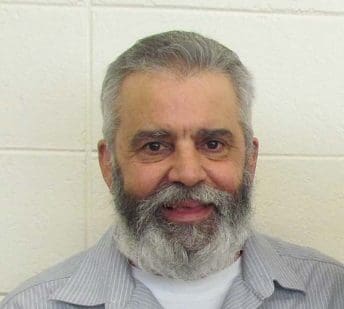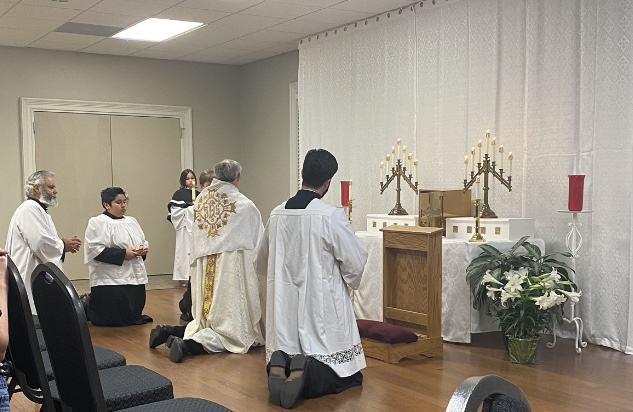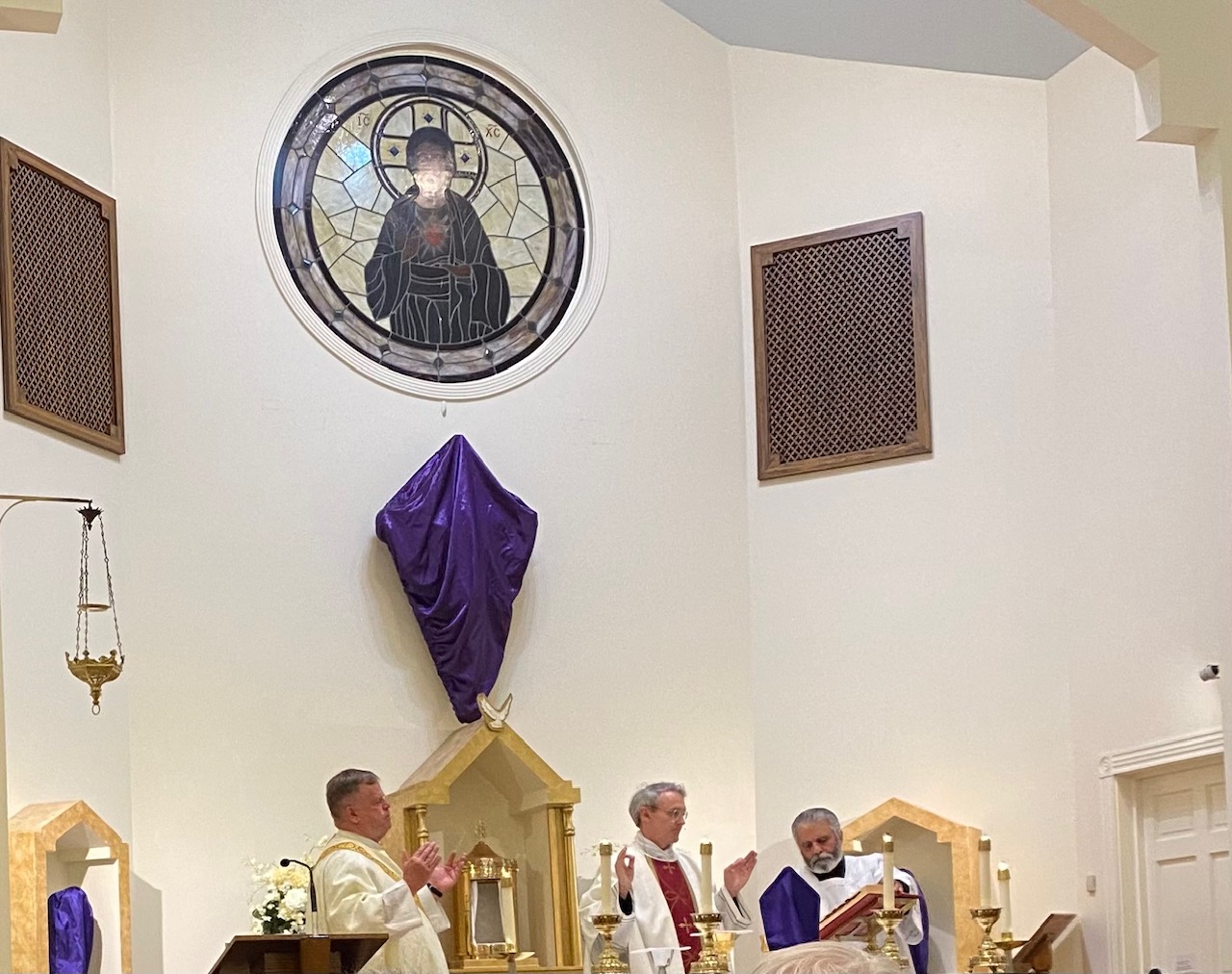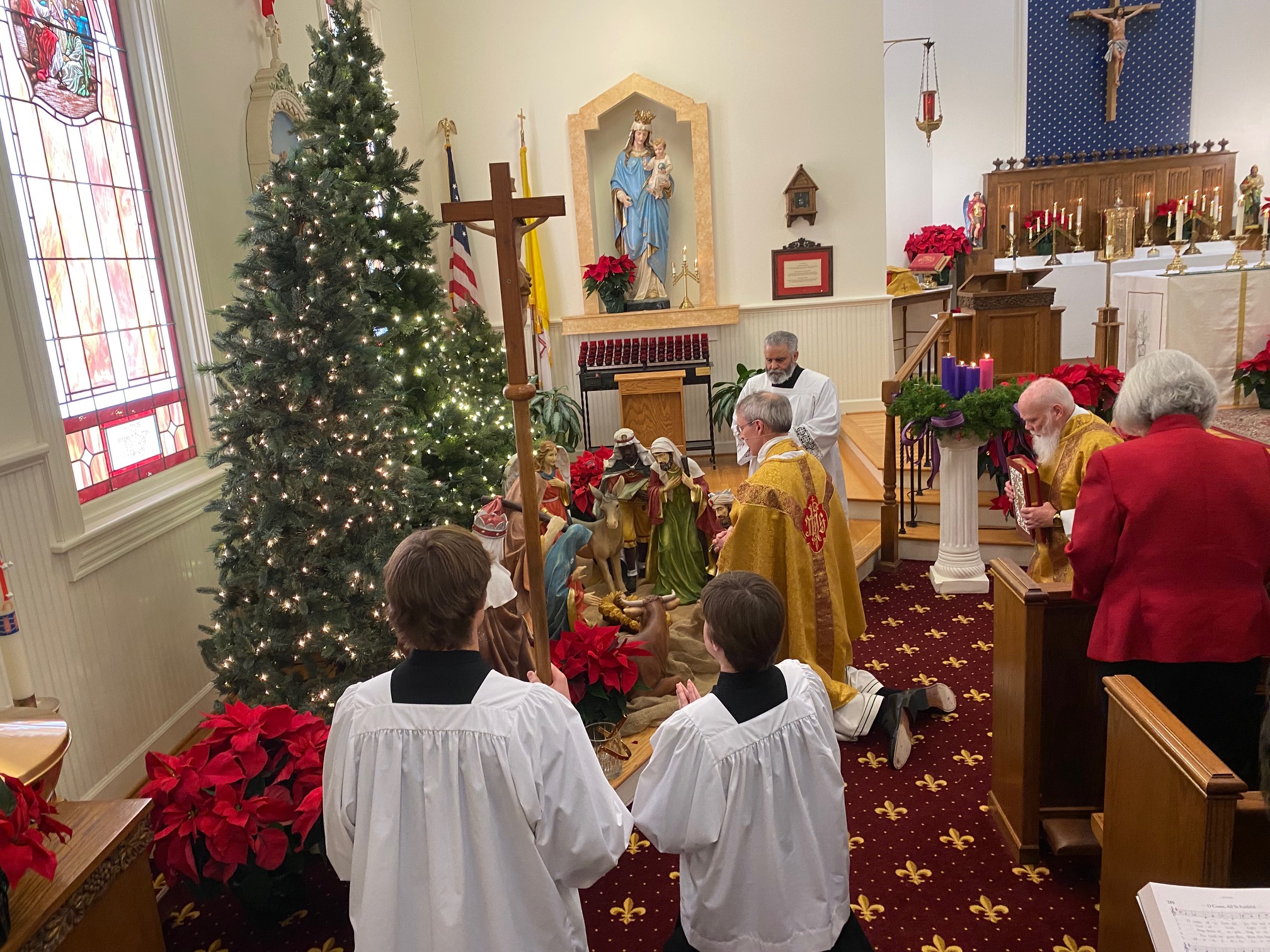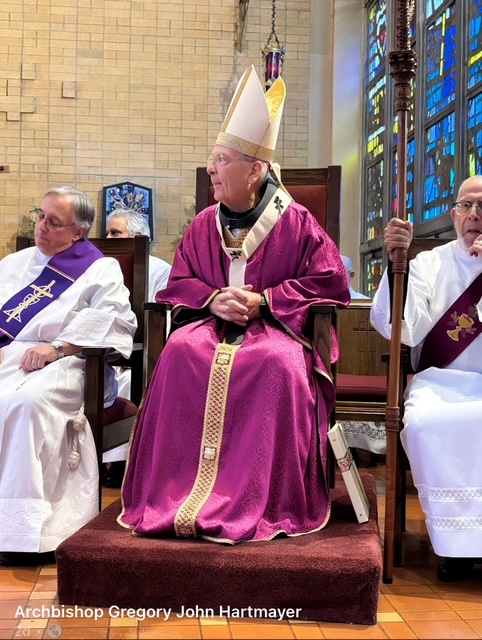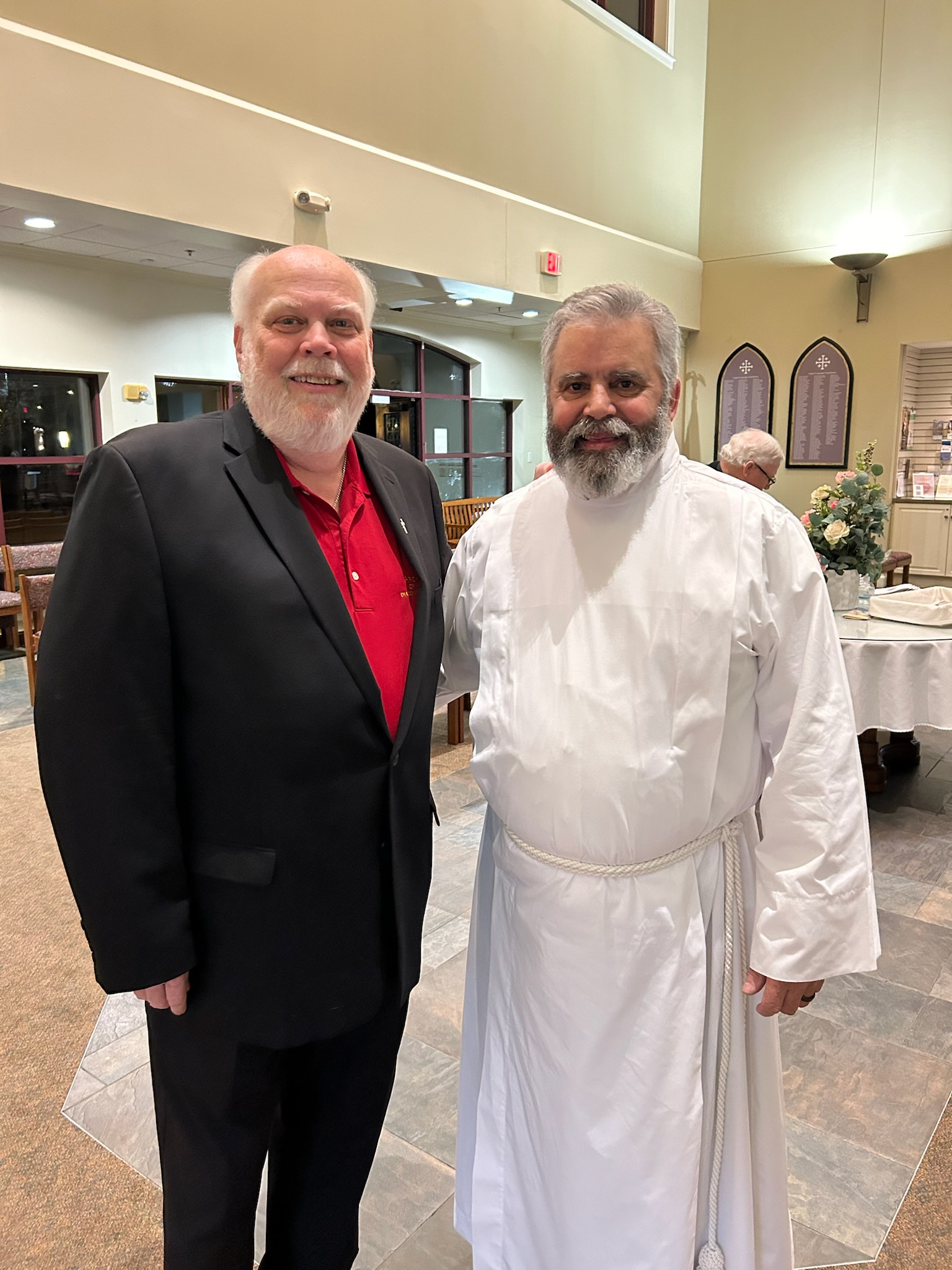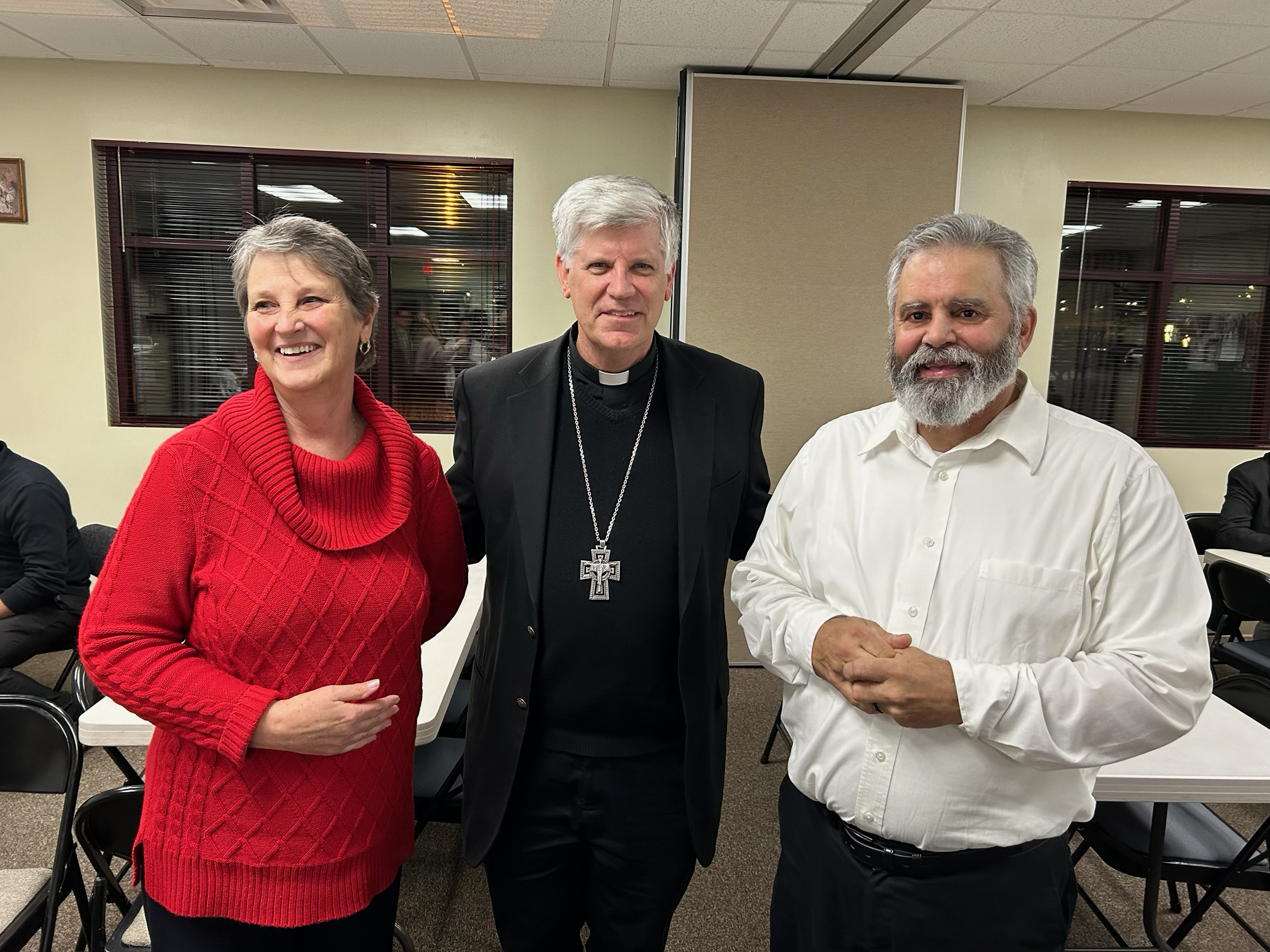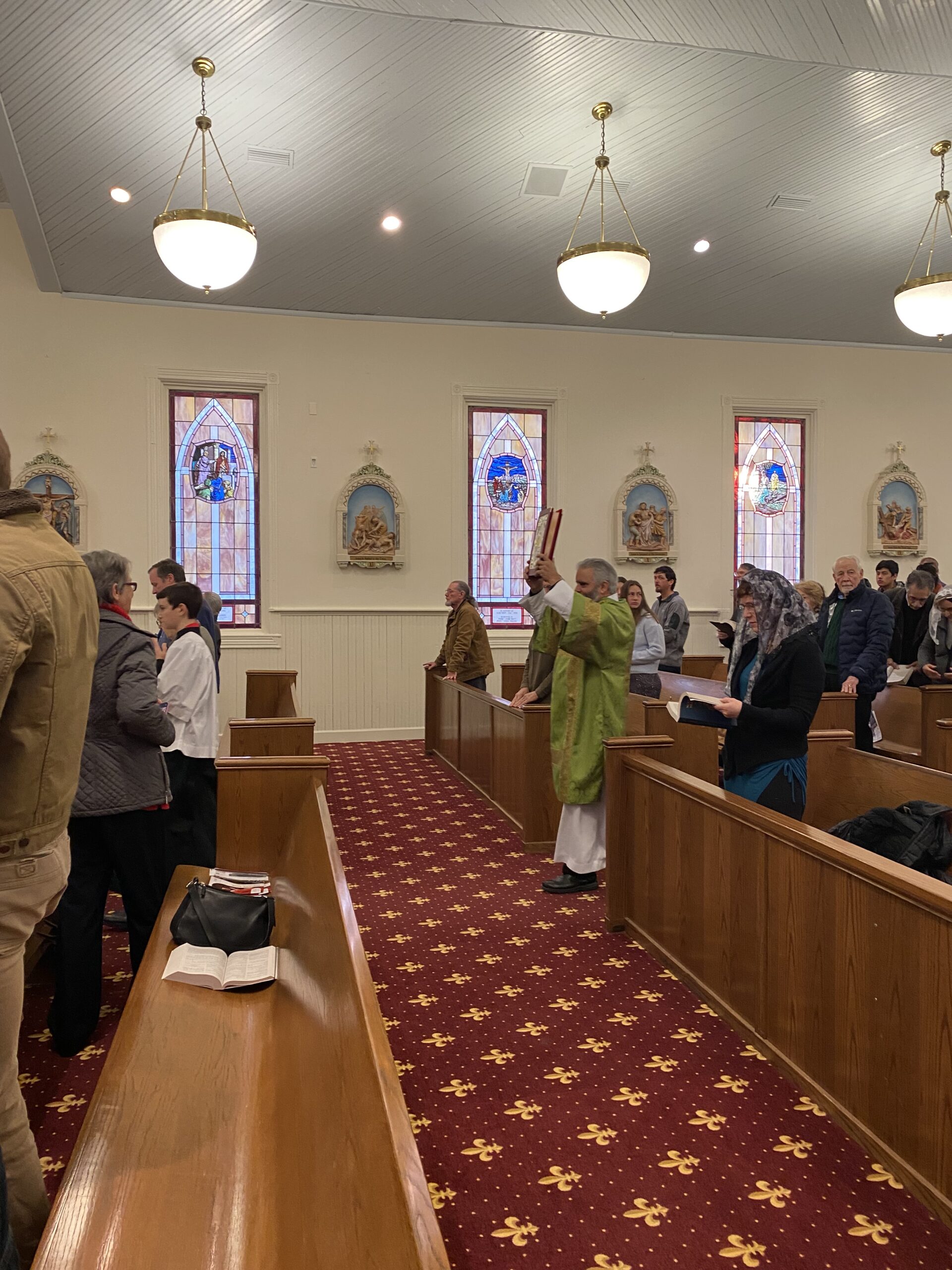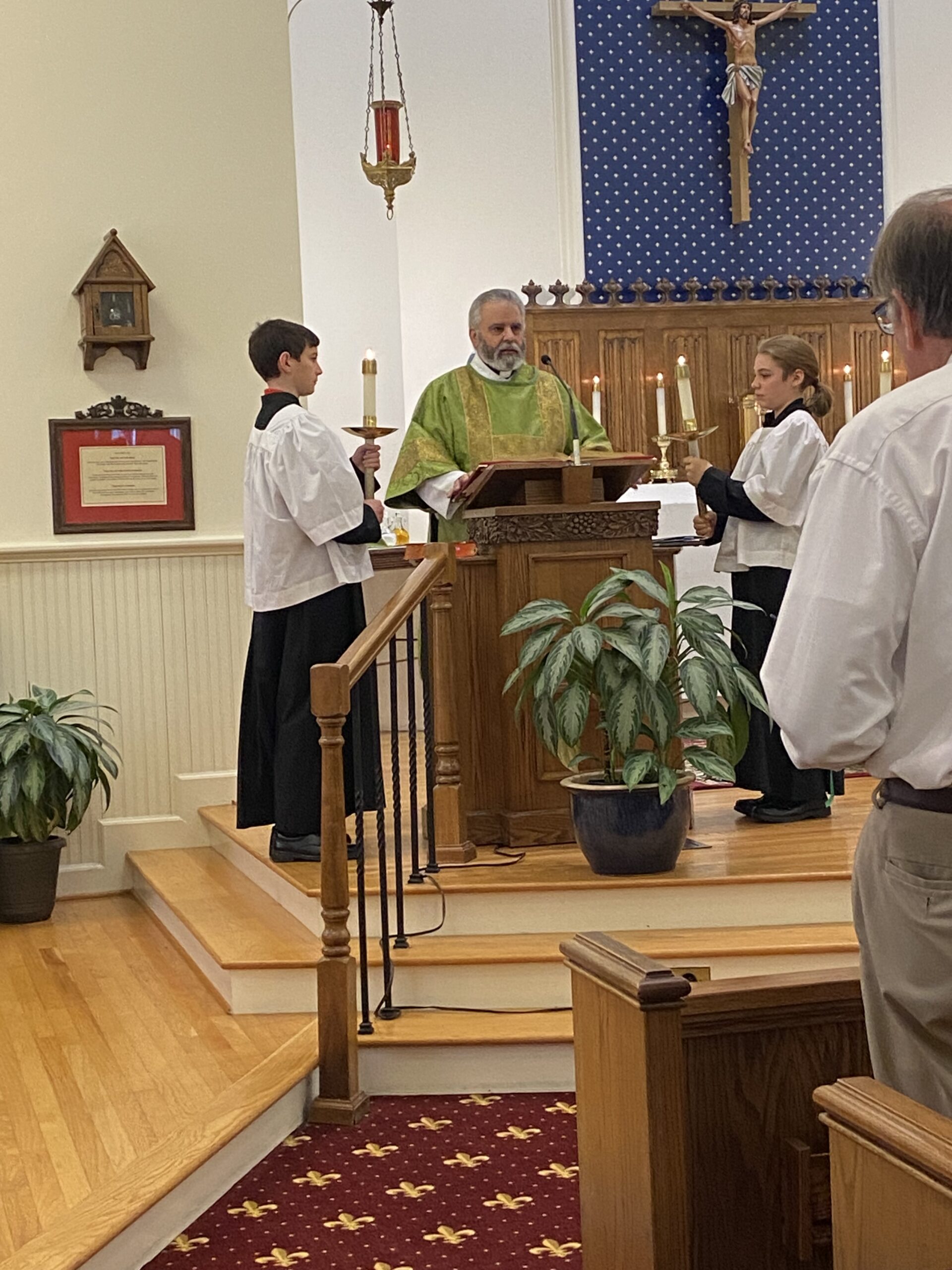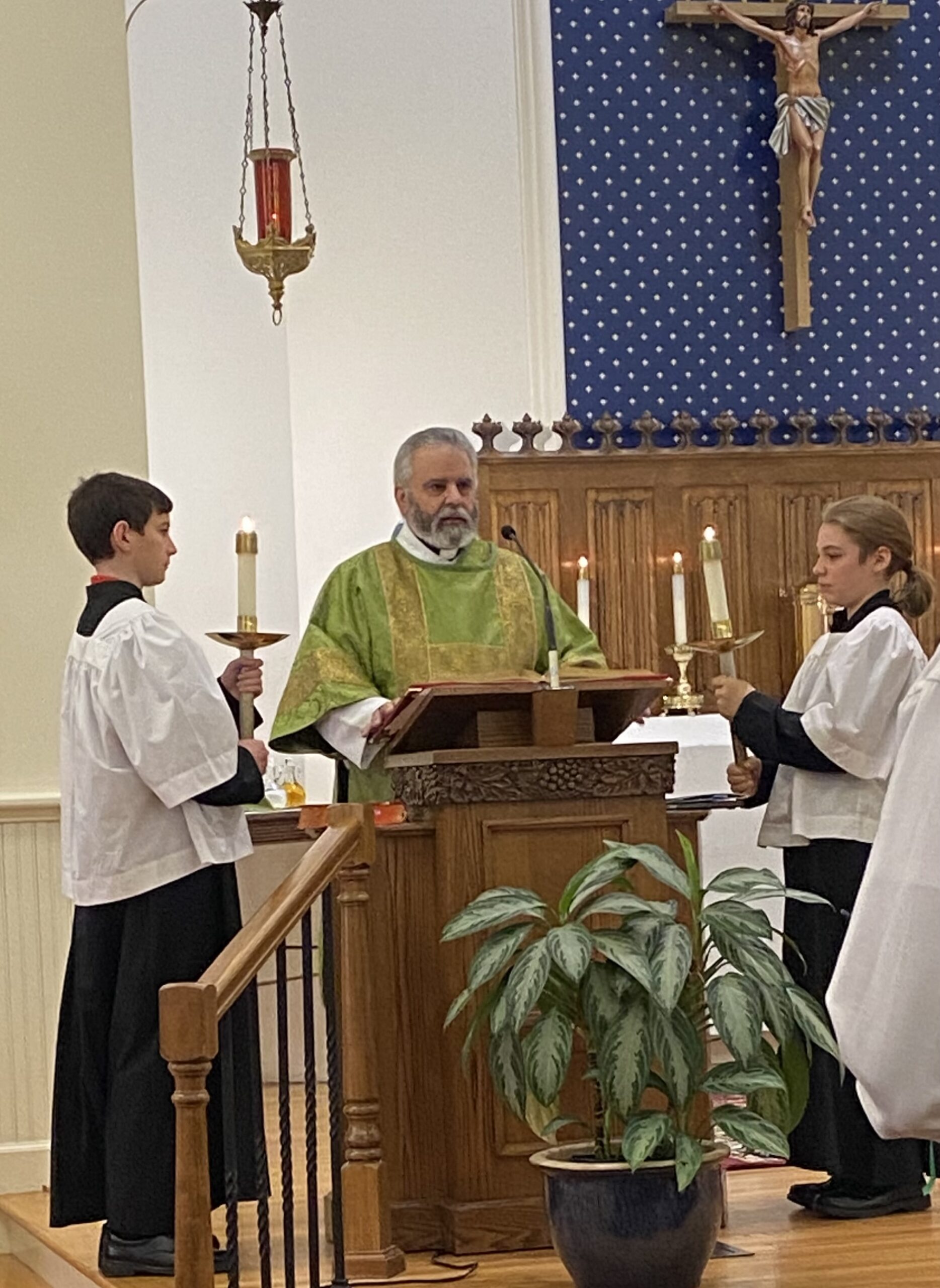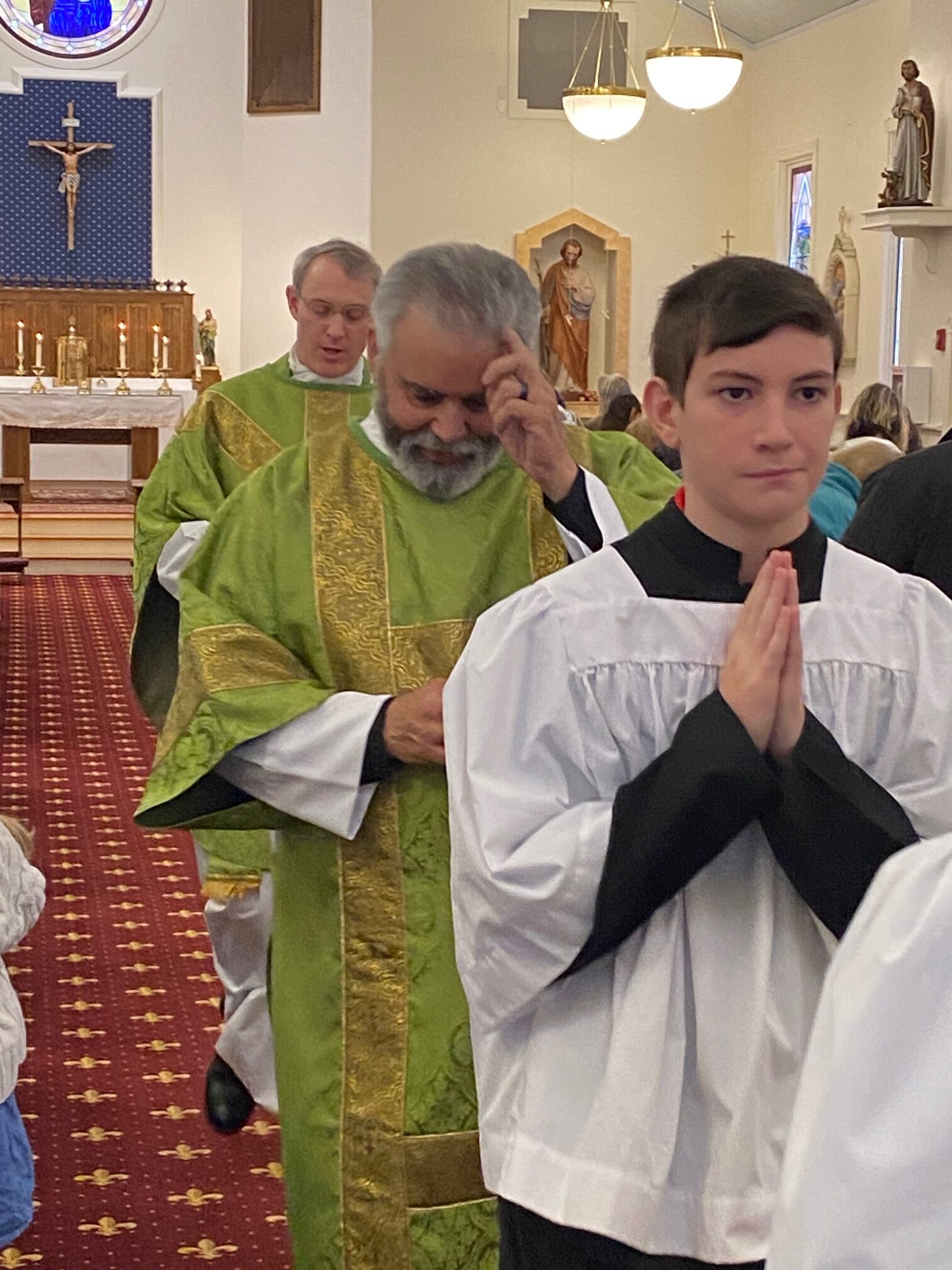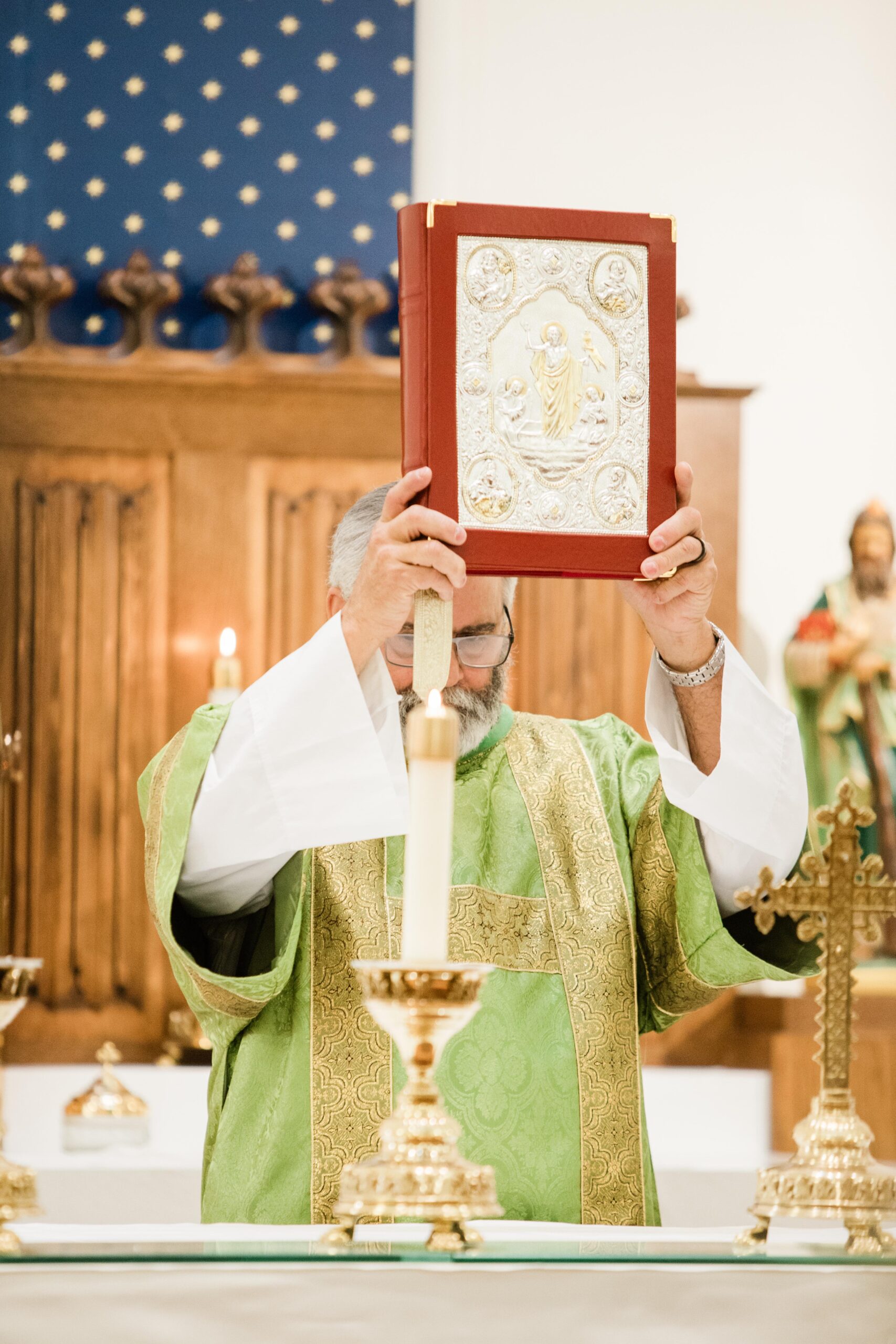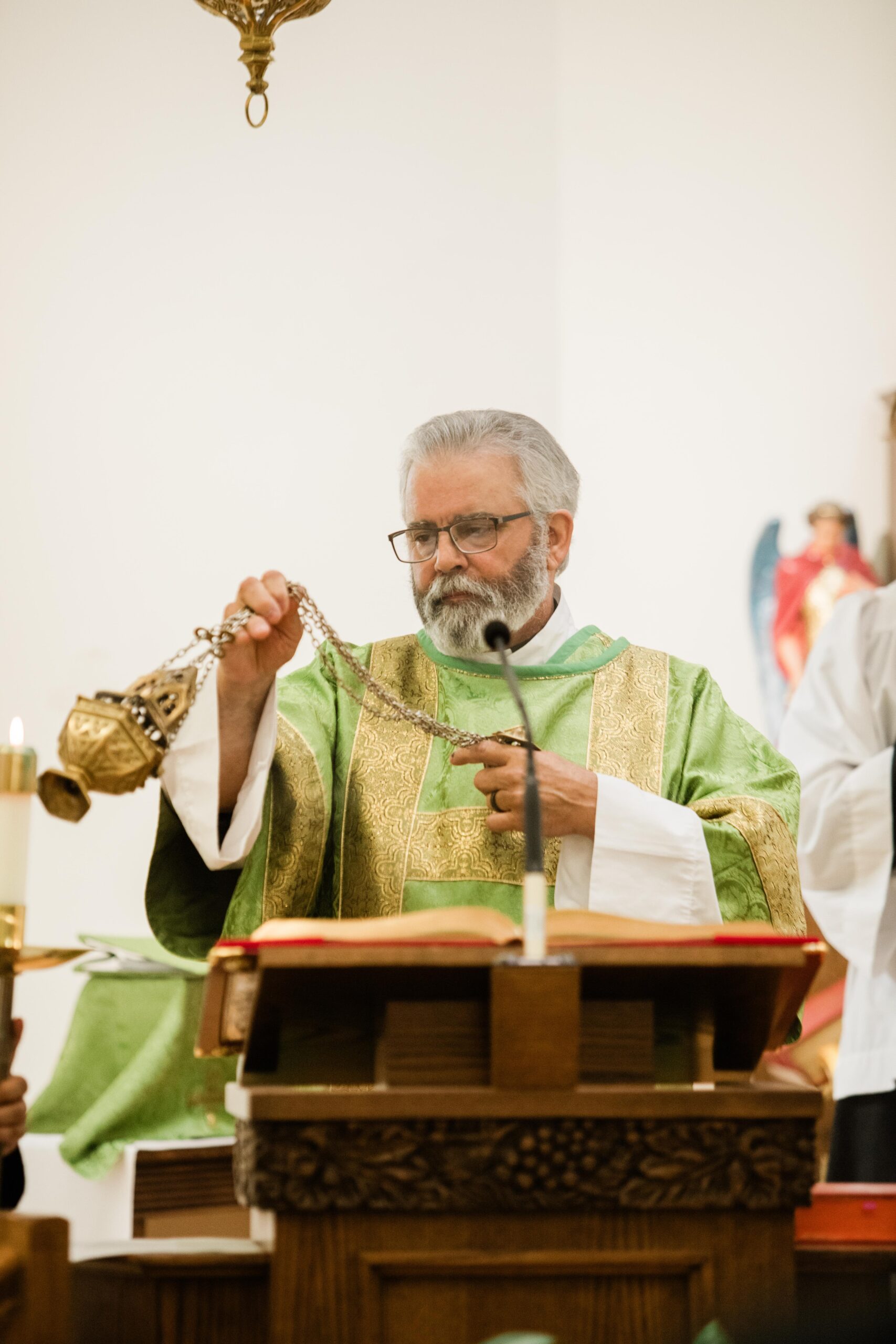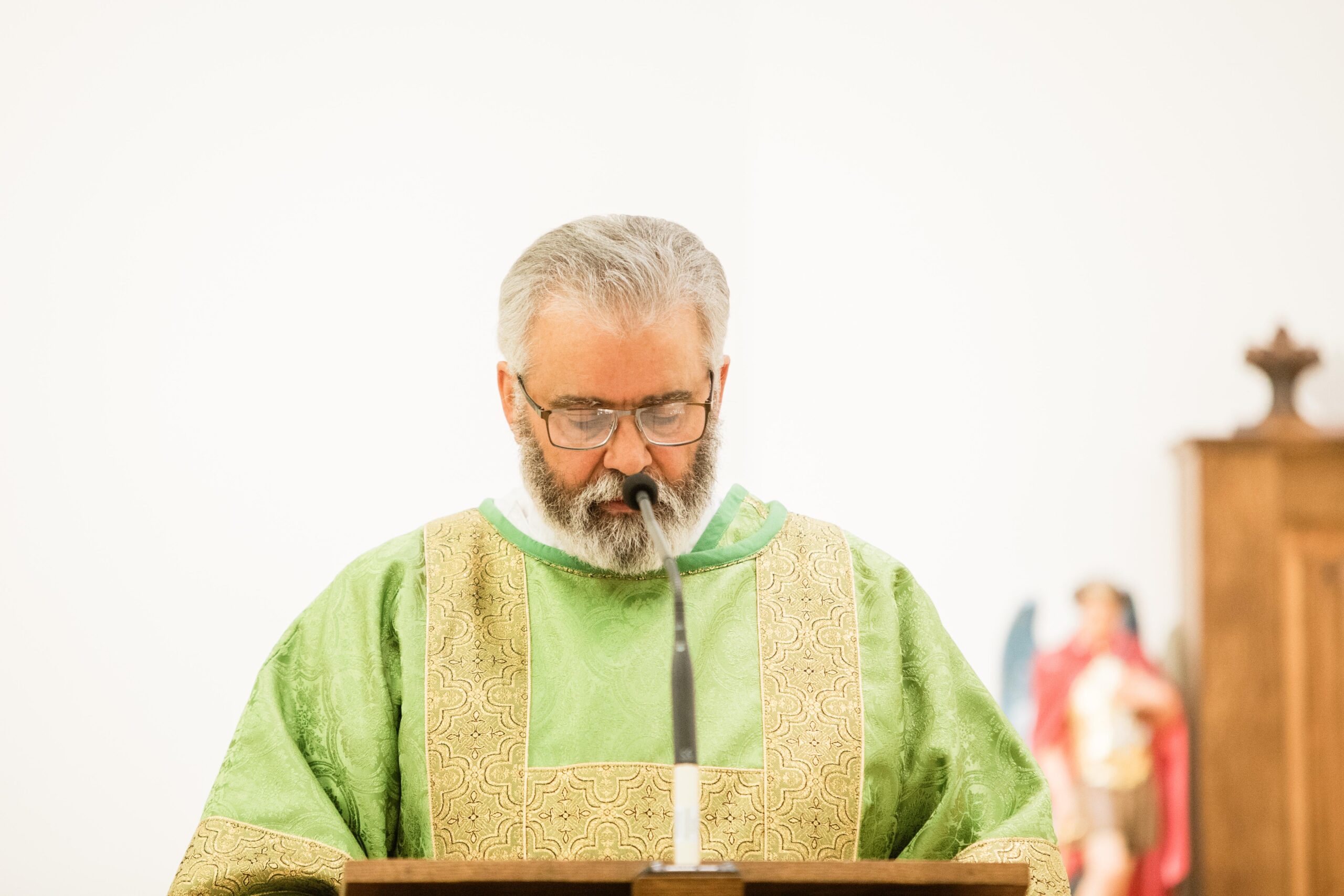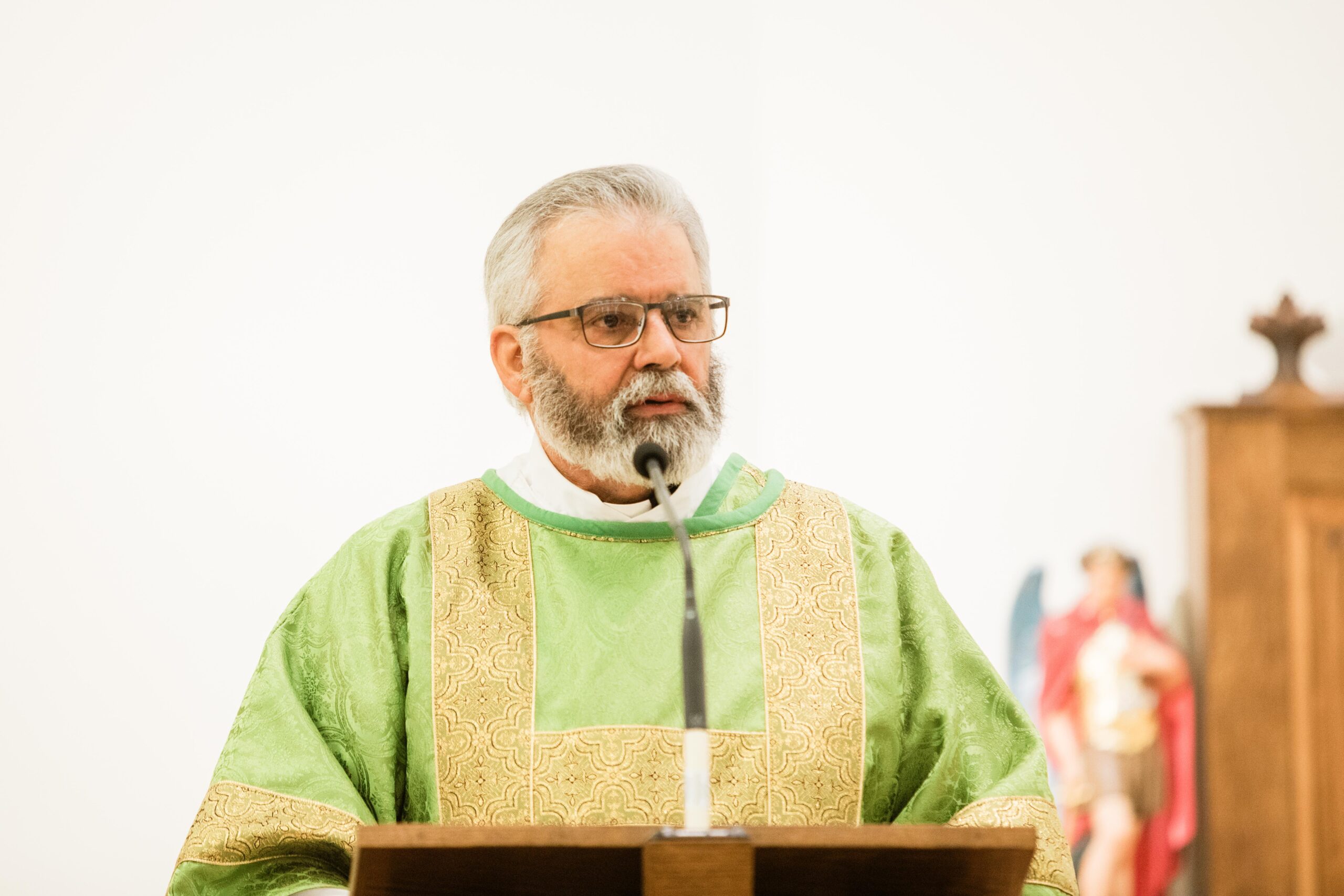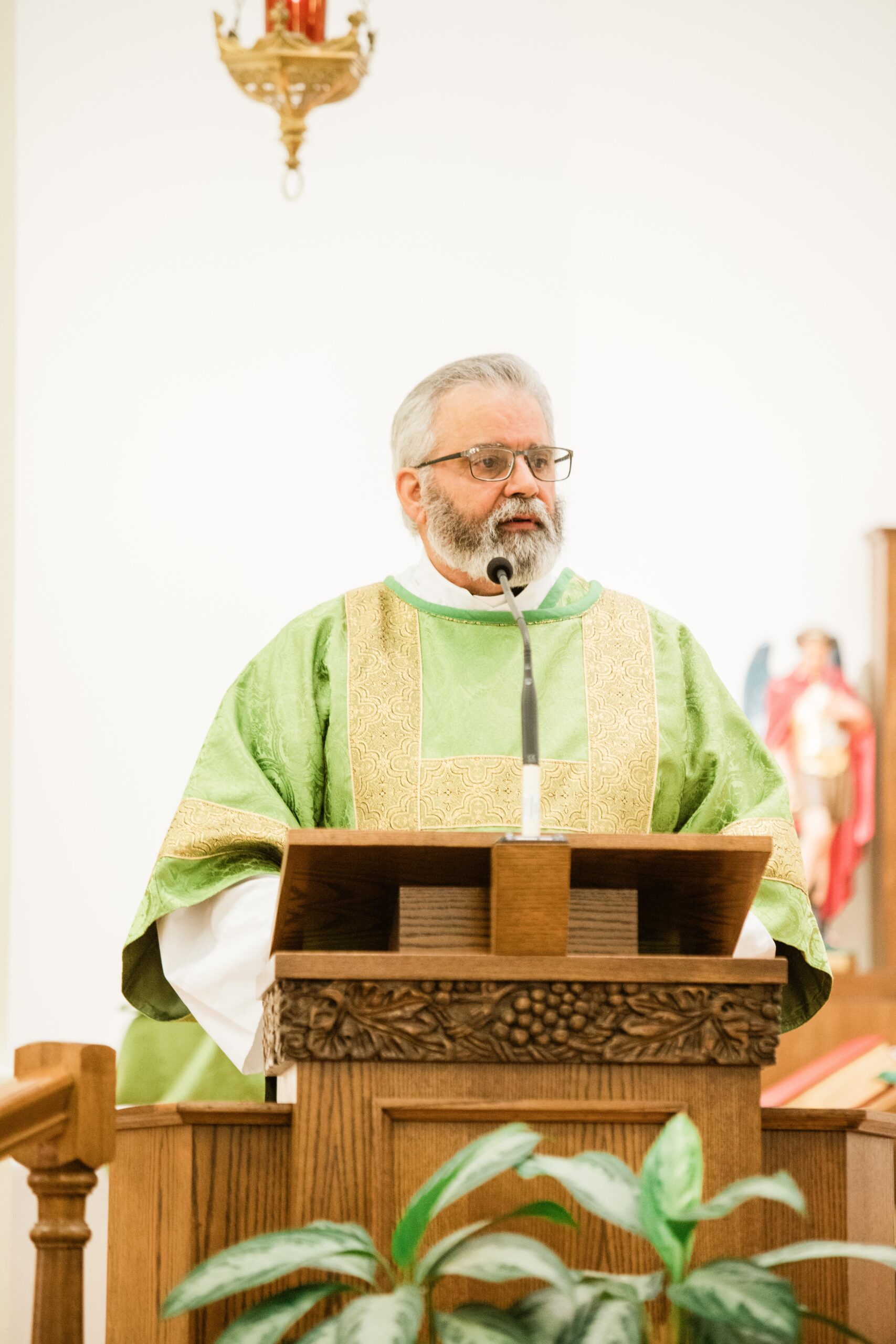
After many year’s of preparation, Pete Chacon was ordained to the permanent diaconate on Saturday, Feb. 7, 2026.
Have you ever wondered about the diaconate?
Deacon Pete has graciously answered questions for us.
Question: When did you first think about being a deacon?
Deacon Pete: For me, it wasn’t something that just came but has been there as long as I can remember. A call to religious life of some kind came upon me when I was around 12 or so, while interacting with a Franciscan priest at the Catholic school I attended. The call is deeply rooted in my heart.
Question: How long is the diaconate program?
Deacon Pete: The formal diaconate program consists of a series of steps, each serving as a steppingstone toward ordination: aspirant, candidate, lector, acolyte, and finally ordination. The entire process takes 5 years, with an additional year of examination or discernment during the extensive application process.
Question: What was your favorite part of the program? What was your least?
Deacon Pete: My favorite was the formation itself – the camaraderie is something that you don’t realize until you have lived it. Brothers going through the same process, with the same concerns and worries you have, have created a deep bond among us over the past five years. This bond carries over into the diaconate itself, with our brothers already ordained, a brotherhood for eternity.
The least was formation itself – the mandatory time constraints and activities outside the formation class time took their toll on us all. It was sometimes grueling to fulfill what was being asked of us. Not in a bad way, but in the aspect of time away from home and family.
Question: What are some of the things you have done in your formation?
Deacon Pete: Lots and lots of reading, what seemed to me to be thousands of pages, and writing many papers. We participate in annual events: a retreat, a seminarian cookout, and serving at special Masses, usually with the Bishop presiding. Participated in the last Eucharistic Congress as setup personnel. We support the annual Christmas gift drive at the Cathedral with time and gifts.
I participated in prison ministry with Bishop Ned as part of the core group. We are assigned as temporary chaplains of pastoral care at Emory – St. Joseph in Sandy Springs, visiting patients and mostly just listening. At our retreats, guys in formation would go two days before the retreat began and do handy work for the brothers at St. Bernard Abbey in Alabama. This was a time when the upper and lower classes would have a chance to get to know each other.
Question: What are some of the duties of a deacon?
Deacon Pete: The best way I can describe it is by reference to the Scripture and the wedding at Cana. Our formation director gave a homily on this, and it was very powerful for those of us getting ready to be ordained. John 2:5 says it all: “His mother said to the servers, ‘Do whatever he tells you.’” That is the overarching duty of a deacon: a server up front yet unnoticed, “simply doing what he tells us.” The “he” in the quote is our pastor, in persona Christi.
Duties in the Liturgy of the Eucharist: Proclaims the Gospel, prepares the altar and sacred vessels, prepares the chalice, assists with incensation, reads the Universal Prayer (Prayer of the Faithful), extends the invitation to the sign of peace, and dismisses the community at the end.
Sacramental and Other Liturgical Ministries: Solemn Baptism, witnessing marriages, funerals and burials, Viaticum, Liturgy of the Word and Communion services, Liturgy of the Hours, exposition, and benediction, blessings and sacramentals
Ministry of the Word and Charity: Proclaims and catechizes, charity as icon of Christ the Servant, pastoral collaboration
Question: What are some practical ways to help men if they are thinking about the diaconate?
Deacon Pete: Basically, if you feel called to be a deacon, then seek it. But by “called” I mean you have discerned that God is calling you to the ordained, a lifelong service as a deacon (in imitation of Christ), and you are listening and obeying. There is a difference between feeling called to serve God and the Church in some way and being called to the diaconate as a lifelong commitment. God answers our desires to serve in many ways.
Question: Do you have a favorite thing to do as a deacon?
Deacon Pete: I truly enjoy bringing Our Lord to those who cannot come to Him. The homebound and the inmates we serve are a genuine blessing to me as a deacon. Especially for the inmates, I am grateful to provide Communion Services and serve at Masses behind the walls that society has placed between God and them because of sin, offering redemption to the least of my brothers; it is rewarding in a way that no words can truly express.