What is a Deacon?
Deacons represent the Catholic Church in its calling as servant in the world. We reveal the servanthood of Christ in which people share.
There are two kinds of deacons in the Catholic Church. The transitional deacon, who is preparing for priesthood, and the permanent deacon, a deeply spiritual and prudent man, who after years of study and training, assists the pastor and serves the church and its people.
Permanent deacons are representatives of Jesus Christ who minister to God’s church. Strengthened by sacramental grace, they serve the people of God and are ministers of the liturgy, Gospel and works of charity. Deacons are the guardians of the true treasures of the church – the body and the blood of our Lord, Jesus Christ and the people of his church.
Role of a Deacon
Pope Paul VI outlined the role of a deacon as follows:
- Assist the bishop and priests during liturgical services regarding all those matters assigned to the deacon by the liturgical books for the various rights
- Administer baptism solemnity
- Reserve the Eucharist and to give communion to himself and others, bring viaticum to the dying and give benediction with the monstrance or ciborium
- Assist marriage in the name of the church, when no priest is available, and, with the bishop’s or pastor’s delegation, to impart the nuptial blessing
- Administer sacramentals and preside at funerals and burial rites
- Read the books of Scripture to the faithful, to instruct and exhort the congregation
- Preside at offices of worship and prayer services, when no priest is available
- Lead celebrations of the work, especially in places where there is a lack of priests
Such is the liturgical service deacons render to God and God’s people in the celebration of the Eucharist, other sacramental rites and communal prayer.
For more reading on the Permanent Diaconate, please visit
If you feel the Lord is calling you to be a deacon, please contact our pastor.

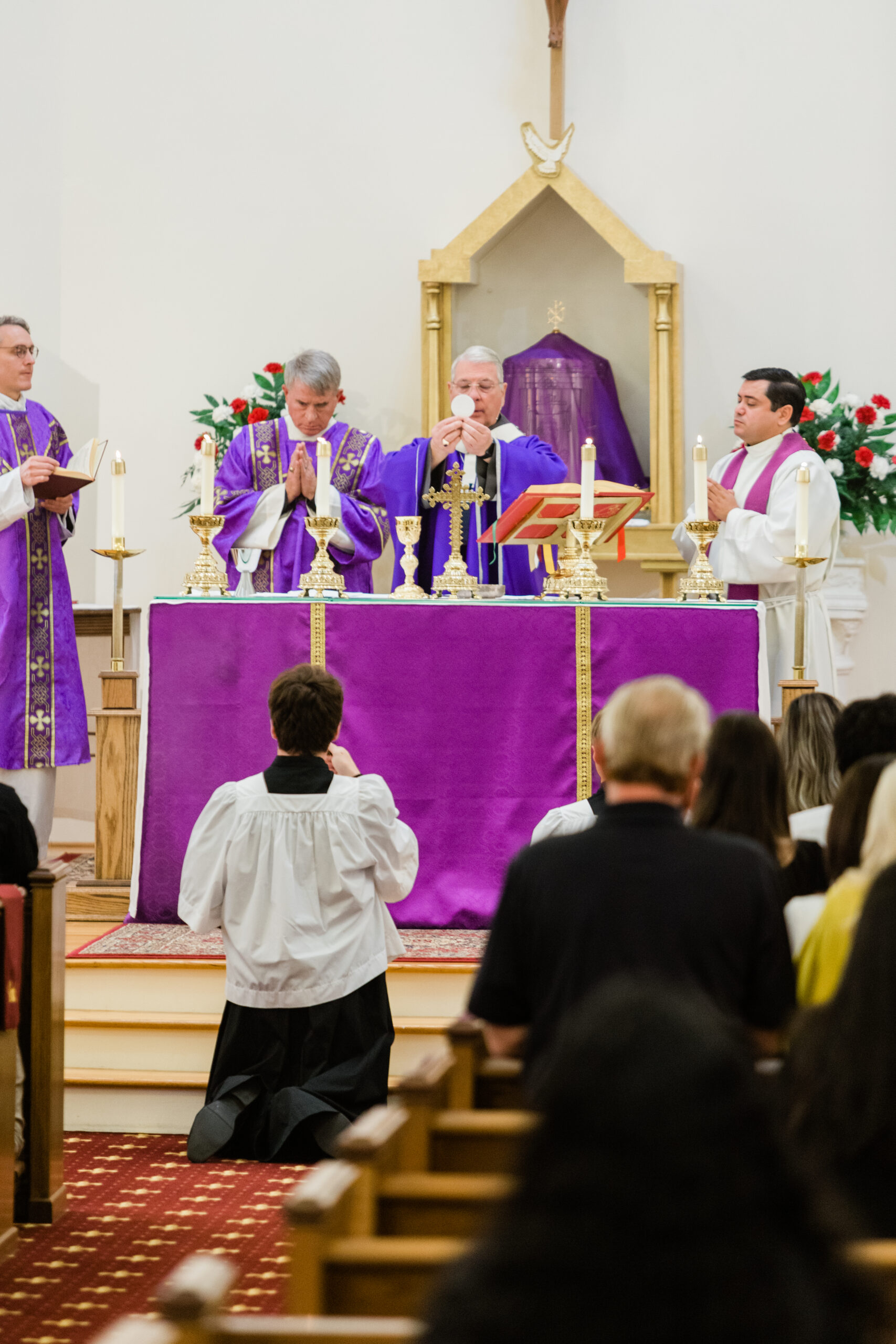
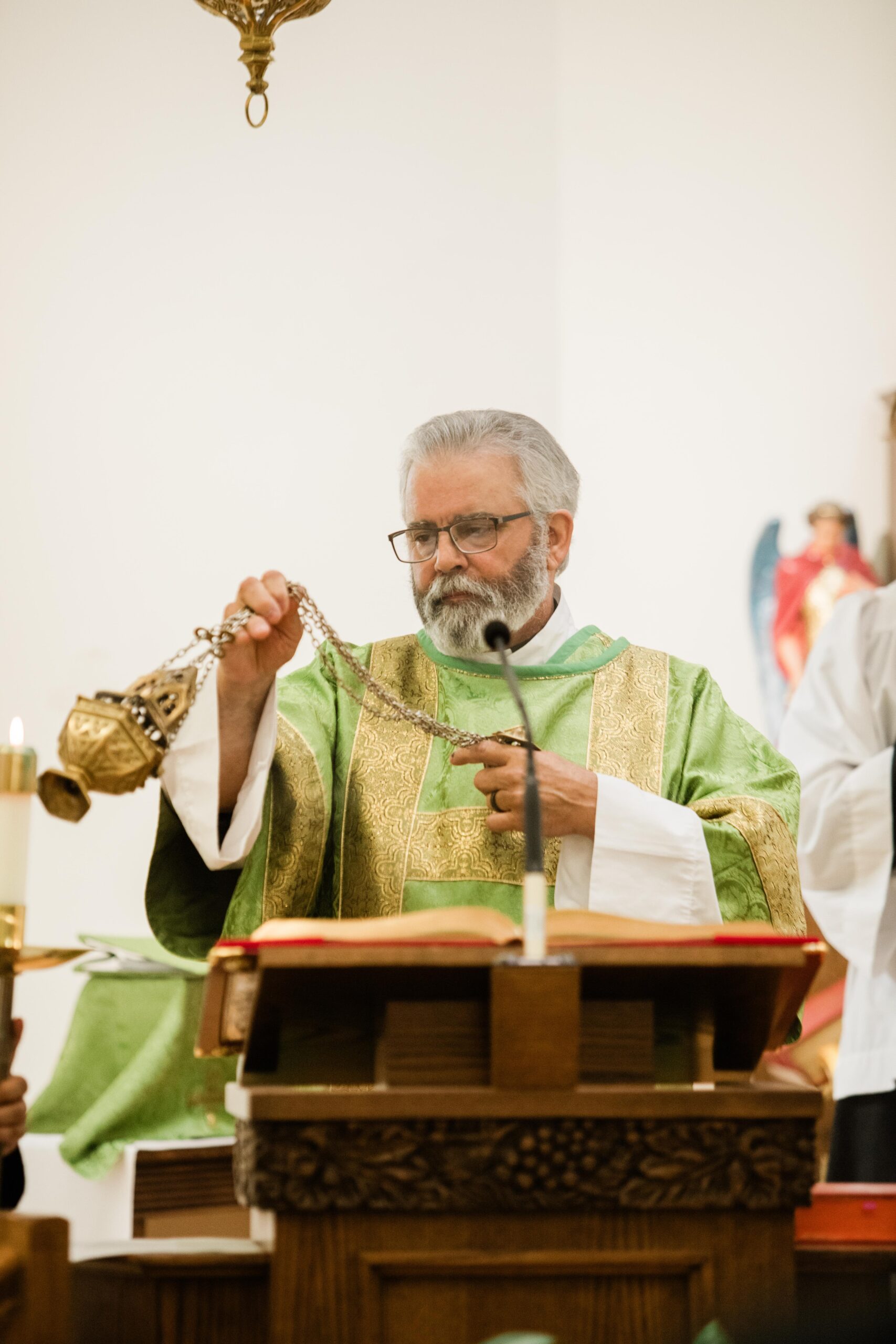

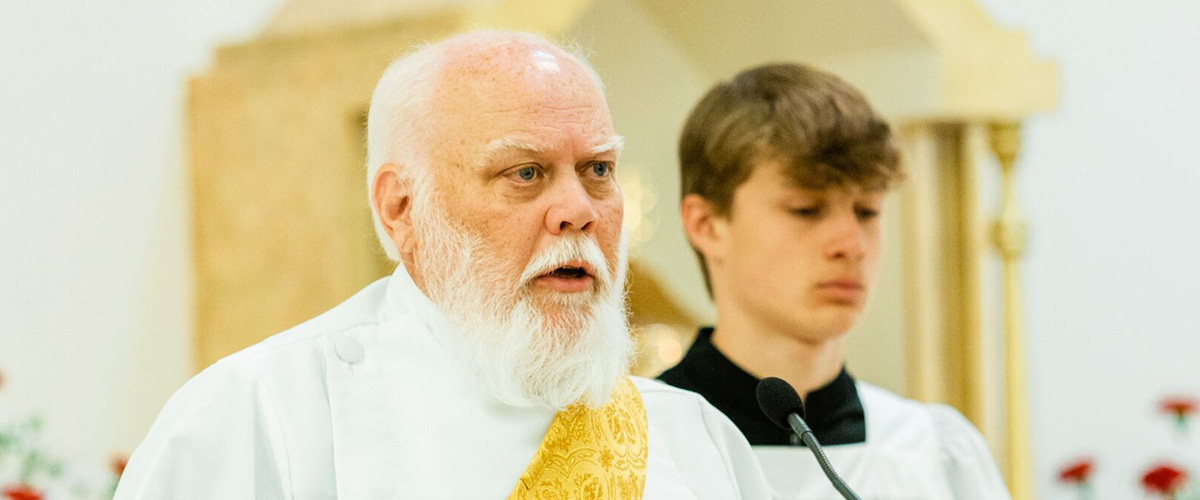
Deacon Bill Donohue
Question: When did you first think about being a deacon?
Deacon Bill: In 1994 was the first time but due to the promise of not remarrying I didn’t think I should pursue it with 4 young children under the age of 9. The next time would be Nov of 2006.
Question: How long is the diaconate program?
Deacon Bill: 1 year of application and 5 years of formation
Question: What was your favorite part of the program? What was your least?
Deacon Bill: Walking the journey with my brothers, learning about my faith, discovering and appreciating my call to serve.
The emotional, physical and spiritual highs and lows of formation.
Question: What are some of the things you have done in your formation?
In formation, I served in OCIA, sacristan, catechism for teens and middle school,
Question: What are some practical ways to help men if they are thinking about the diaconate?
Pray and ask God to do His will, serve in the church, be open to the Holy Spirit. Talk with, observe other deacons.
Question: Do you have a favorite thing to do as a deacon?
Baptisms and surprisingly funerals, prayer vigils and interments. God never fails to be present and to condole and comfort those that mourn. The Holy Spirit is always with me in these sacred moments.
Question: And anything else you think would be helpful.
The diaconate is an amazing opportunity to grow individually in your faith, to respond to God’s call and to serve His people and church. I appreciate this opportunity more and more each year.
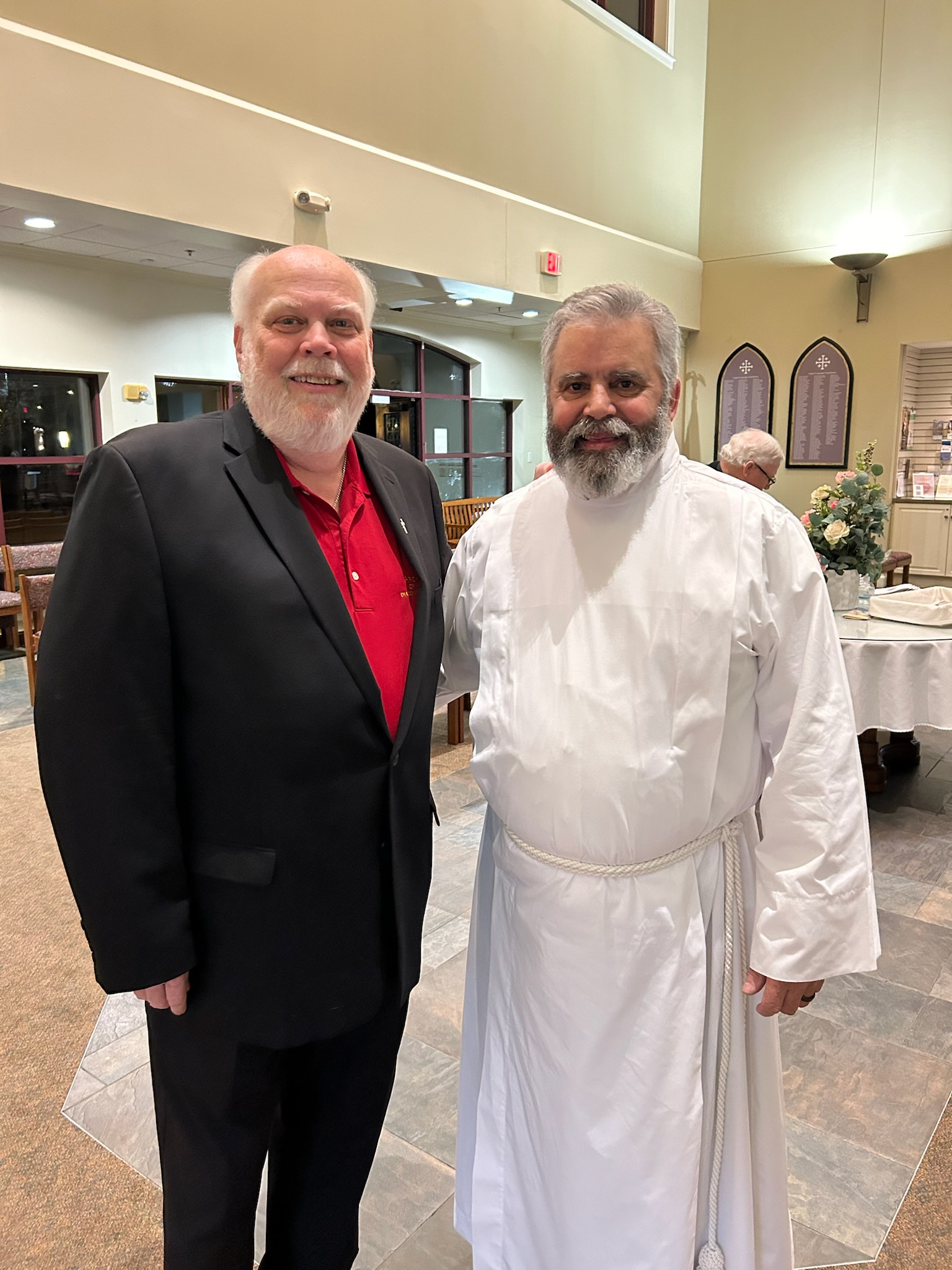


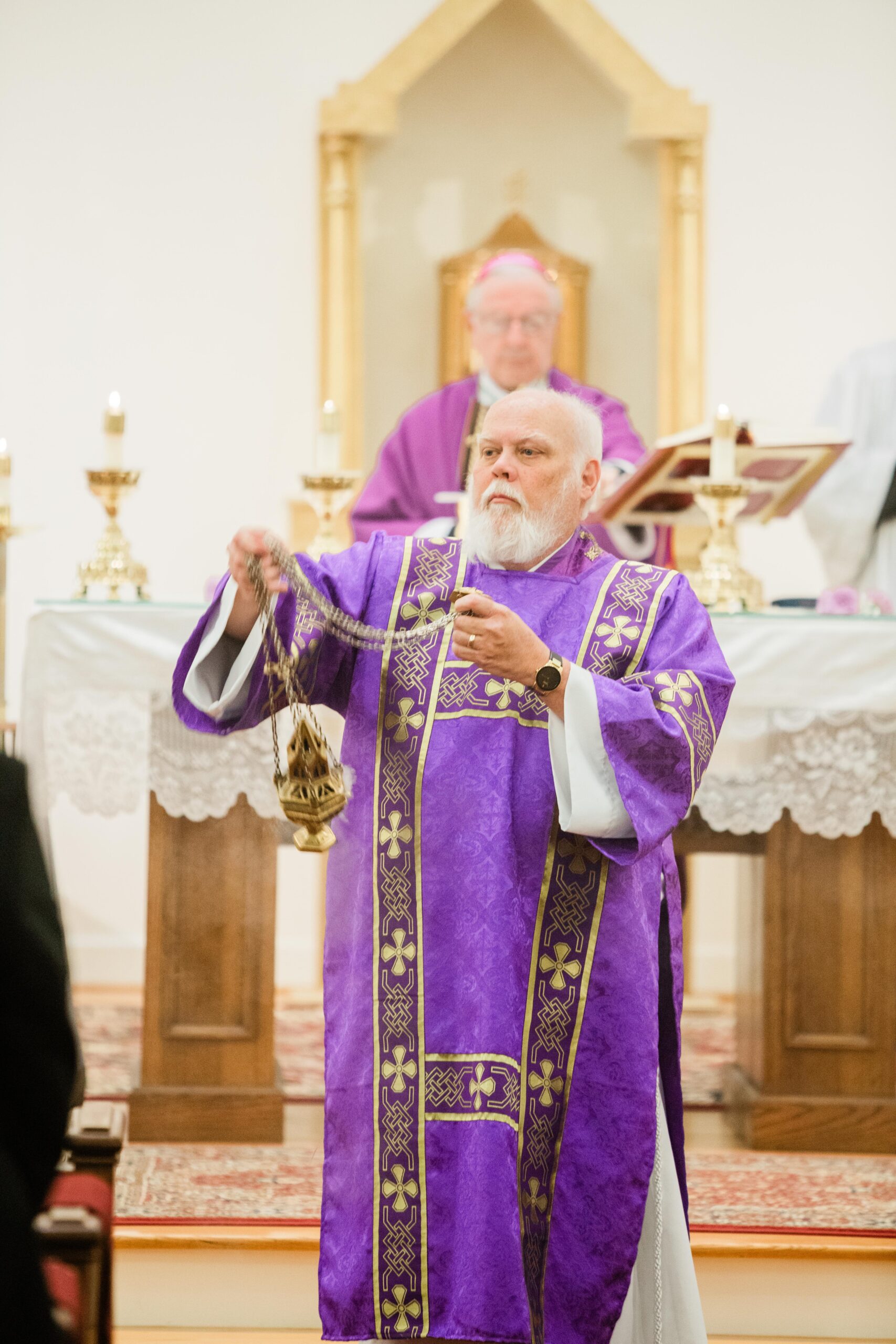
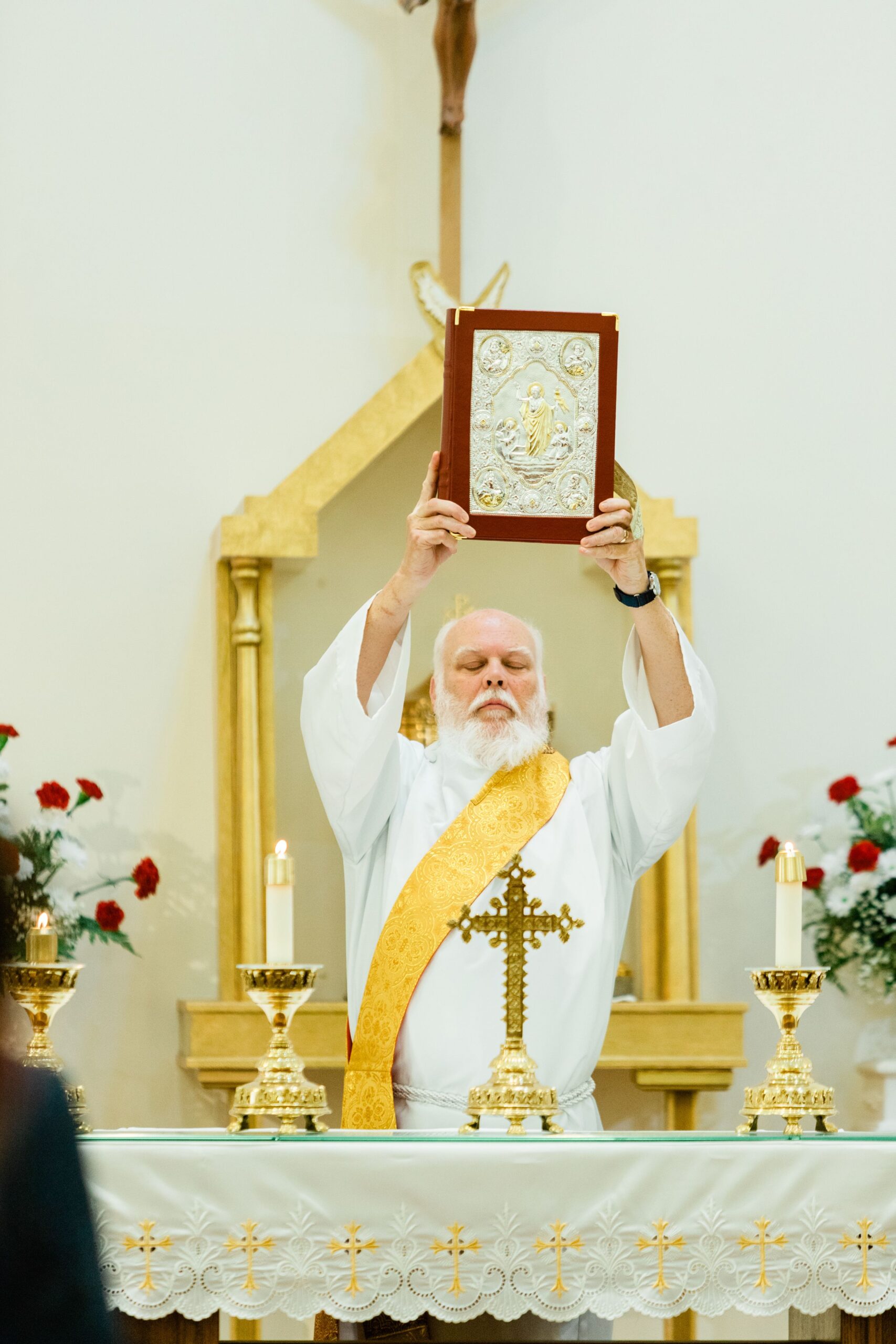
Deacon Pete Chacon
Question: When did you first think about being a deacon?
Deacon Pete: For me, it wasn’t something that just came but has been there as long as I can remember. A call to religious life of some kind came upon me when I was around 12 or so, while interacting with a Franciscan priest at the Catholic school I attended. The call is deeply rooted in my heart.
Question: How long is the diaconate program?
Deacon Pete: The formal diaconate program consists of a series of steps, each serving as a steppingstone toward ordination: aspirant, candidate, lector, acolyte, and finally ordination. The entire process takes 5 years, with an additional year of examination or discernment during the extensive application process.
Question: What was your favorite part of the program? What was your least?
Deacon Pete: My favorite was the formation itself – the camaraderie is something that you don’t realize until you have lived it. Brothers going through the same process, with the same concerns and worries you have, have created a deep bond among us over the past five years. This bond carries over into the diaconate itself, with our brothers already ordained, a brotherhood for eternity.
The least was formation itself – the mandatory time constraints and activities outside the formation class time took their toll on us all. It was sometimes grueling to fulfill what was being asked of us. Not in a bad way, but in the aspect of time away from home and family.
Question: What are some of the things you have done in your formation?
Deacon Pete: Lots and lots of reading, what seemed to me to be thousands of pages, and writing many papers. We participate in annual events: a retreat, a seminarian cookout, and serving at special Masses, usually with the Bishop presiding. Participated in the last Eucharistic Congress as setup personnel. We support the annual Christmas gift drive at the Cathedral with time and gifts.
I participated in prison ministry with Bishop Ned as part of the core group. We are assigned as temporary chaplains of pastoral care at Emory –
St. Joseph in Sandy Springs, visiting patients and mostly just listening. At our retreats, guys in formation would go two days before the retreat began and do handy work for the brothers at St. Bernard Abbey in Alabama. This was a time when the upper and lower classes would have a chance to get to know each other.
Question: What are some practical ways to help men if they are thinking about the diaconate?
Deacon Pete: Basically, if you feel called to be a deacon, then seek it. But by “called” I mean you have discerned that God is calling you to the ordained, a lifelong service as a deacon (in imitation of Christ), and you are listening and obeying. There is a difference between feeling called to serve God and the Church in some way and being called to the diaconate as a lifelong commitment. God answers our desires to serve in many ways.
Question: Do you have a favorite thing to do as a deacon?
Deacon Pete: I truly enjoy bringing Our Lord to those who cannot come to Him. The homebound and the inmates we serve are a genuine blessing to me as a deacon. Especially for the inmates, I am grateful to provide Communion Services and serve at Masses behind the walls that society has placed between God and them because of sin, offering redemption to the least of my brothers; it is rewarding in a way that no words can truly express.